

What to Actually Teach a New Sales Rep in Their First 90 Days
The reps who work out are the ones handed a written process, a CRM they have to keep clean and a weekly call review. Charisma is nowhere on the list.

A new rep either has a process by the end of week one or they invent one, and the one they invent will be whatever their last job did.
Most onboarding is a product deck, a login and a talk about resilience. Then the rep is judged on call volume for three months and either survives or hands in their notice. The three things that predict whether they make it are all things you control before they start.
Week one: hand them the written process
Written down, in one document, before they arrive:
- Every deal stage, and the one thing that has to be true for a deal to enter it
- The properties filled in at each stage, and who fills them
- What a qualified conversation is, in your words, with two examples that passed and two that did not
- Who they hand off to, and when
A consistent process is what lets you tell the difference between a rep who is struggling and a market that is hard. Without one you cannot coach anybody, because there is nothing to compare a bad week against.
Then teach them who they are selling to
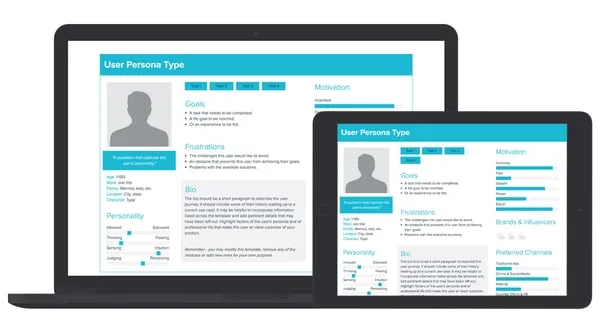
Give them your ideal customer profile as properties they can filter on in HubSpot: industry, size, state, and the trigger that makes someone start looking. Then give them the three most common reasons you lose, straight out of the Closed lost reason property.
Mark Roberge, the former CRO of HubSpot's sales division, set the standard better than any training deck:
You know you are running a modern sales team when selling feels more like the relationship between a doctor and a patient and less like a relationship between a salesperson and a prospect.
A doctor asks before prescribing. A rep with a product deck and no list of diagnosis questions will pitch, because pitching is the only thing you gave them. So write the diagnosis questions down and make the first call about answering them.
While you are at it, tell them who else is selling to the same buyer and how those competitors pitch. A new rep who hears a competitor's line for the first time in a live call will agree with it.
Teach them the Spam Act before their first cold email
Almost no sales training covers this, because almost all sales training is American. The United States runs an opt out model under CAN-SPAM: email who you like, honour the unsubscribe. Australia runs the opposite model.
Under the Spam Act 2003 you need consent before you send a commercial electronic message, and consent comes in two forms:
- Express consent. Someone ticked a box, filled in a form, or said yes on a call, knowing what they were agreeing to. ACMA recommends this one, and it is what you build the process around.
- Inferred consent. Narrower than most reps assume. You can infer consent where somebody knowingly gave you their address and there is an ongoing relationship your message relates to, so an existing bookkeeping customer can be emailed about bookkeeping. There is a second route for a work address the person has published themselves, where they have not said they want no unsolicited messages and your message is relevant to their role. Scraping a personal address off a profile page and pitching whatever you sell is neither of those.
Every message also has to identify your business by its correct legal name, or your name and ABN, keep those details correct for at least 30 days after sending, and carry a working unsubscribe that you honour within five business days. ACMA's guidance on avoiding sending spam is short, plain and free, and your new rep should read it in week one.
Teach it as a rule with a reason attached, because a rep who understands inferred consent prospects differently. They go looking for a genuine existing relationship to reference before they write, which happens to be the thing that makes cold outreach work at all.
Days 1 to 30: make CRM discipline a rule
Say what clean means in four lines, then hold the line:
- Every call and meeting logged the same day
- A dated next step on every open deal, or the deal is not open
- Deal stage matching what is true, including moving a deal backwards
- Closed lost reason filled in with a real reason
The fourth is the one leaders let slide, and it is the one that pays for the other three. Your pricing argument and your marketing plan both come out of that field.

Teach the other direction too. Before any outreach, the rep reads the contact record: pages viewed, emails opened, forms filled. Someone who has read three pages about conversion gets an opening line about their own conversion rate, and the conversation starts halfway along instead of at the beginning.
Then install the single highest return habit in sales. No meeting ends without the next one in the calendar. Not a promise to follow up with next steps, an actual booked time, while you are both still on the call.
Not sure which habit matters most in your market?
Twenty habits is a lot to carry into your first month.
Days 30 to 60: the weekly call review is the training program
One recorded call, once a week, listened to together for 20 minutes. That cadence beats any course you can buy, and it is the only part of this that costs you time.
What you listen for is specific enough to score:
- Who talked more, and by how much
- Did they ask a diagnosis question before they described the product
- Did they name a number the customer cares about
- Did the call end with a booked next step
- Is what they heard on that call now in the CRM
Listening is the hardest habit to build, because it is human nature to care more about what you are about to say than about what the other person just said. It is also the only sales skill you can coach from a recording, which is why the recording matters more than the role play.
Give the same 20 minutes to a call that went well. A review that only ever happens after a loss teaches a rep that the review is a punishment.
Days 60 to 90: give them their own numbers
Three numbers, theirs, on a dashboard they can open without asking you:
- Conversations booked this week
- Deals created, and their average amount
- Average days a deal sits in each stage
Review them fortnightly for the first quarter and monthly after that. Reading them daily is worse than useless, because a single week of sales activity is too small a sample to mean anything, and a rep who is managed on daily numbers starts working for the numbers.
The third one gives them a rule for walking away, which new reps are terrible at. If your average deal closes in 45 days and they have been carrying one for 90, that is a conversation worth having. There are exceptions. There are not many.
Build the referral ask into the process at closed won, with a date on it. The easiest deal a new rep will ever close is the one a happy customer hands them, and they will not ask unless the process tells them to.

What to stop teaching
Some of what fills an onboarding week is filler:
- Mindset and personality content. Give them the process and the objection list, and the confidence follows.
- Every product feature, in order, from a deck. Have them use the product for a day and write down what annoyed them. That list is worth more than the deck, to them and to you.
- Managing on activity alone. Call counts produce ten hour days and a rep who burns out in month five. Manage on conversations that reached a diagnosis.
Replace the feature deck with three customer stories that have real numbers in them and that you are allowed to repeat out loud. If you have not got three, go and collect some reviews before the next hire starts. Ask your marketing team for those, along with the content a rep can send after a call and what prospects have been asking about lately. That exchange is most of what RevOps is for, and it runs both ways: your reps hear an objection weeks before the reporting shows it.
One more that always gets skipped. Teach them what happens after the sale, and have them check in with a new customer at 30 days. A rep who has heard what the product did for somebody stops selling features, and picks up the referral and the story while they are there.
The 91st day
Here is the test, and it has nothing to do with how the rep sounds on the phone. On day 91, could somebody else pick up that rep's pipeline from the CRM alone and know what to do next on every open deal?
Wondering who is meant to teach you this?
First sales jobs come with a target and very little else.
If yes, you built a process someone can run, and the next hire will not cost you the same three months. If no, you trained a personality and you are about to pay for it twice. More on pipeline and RevOps is on the NBH learn hub.